Which One Actually Keeps the Bad Guys Out?
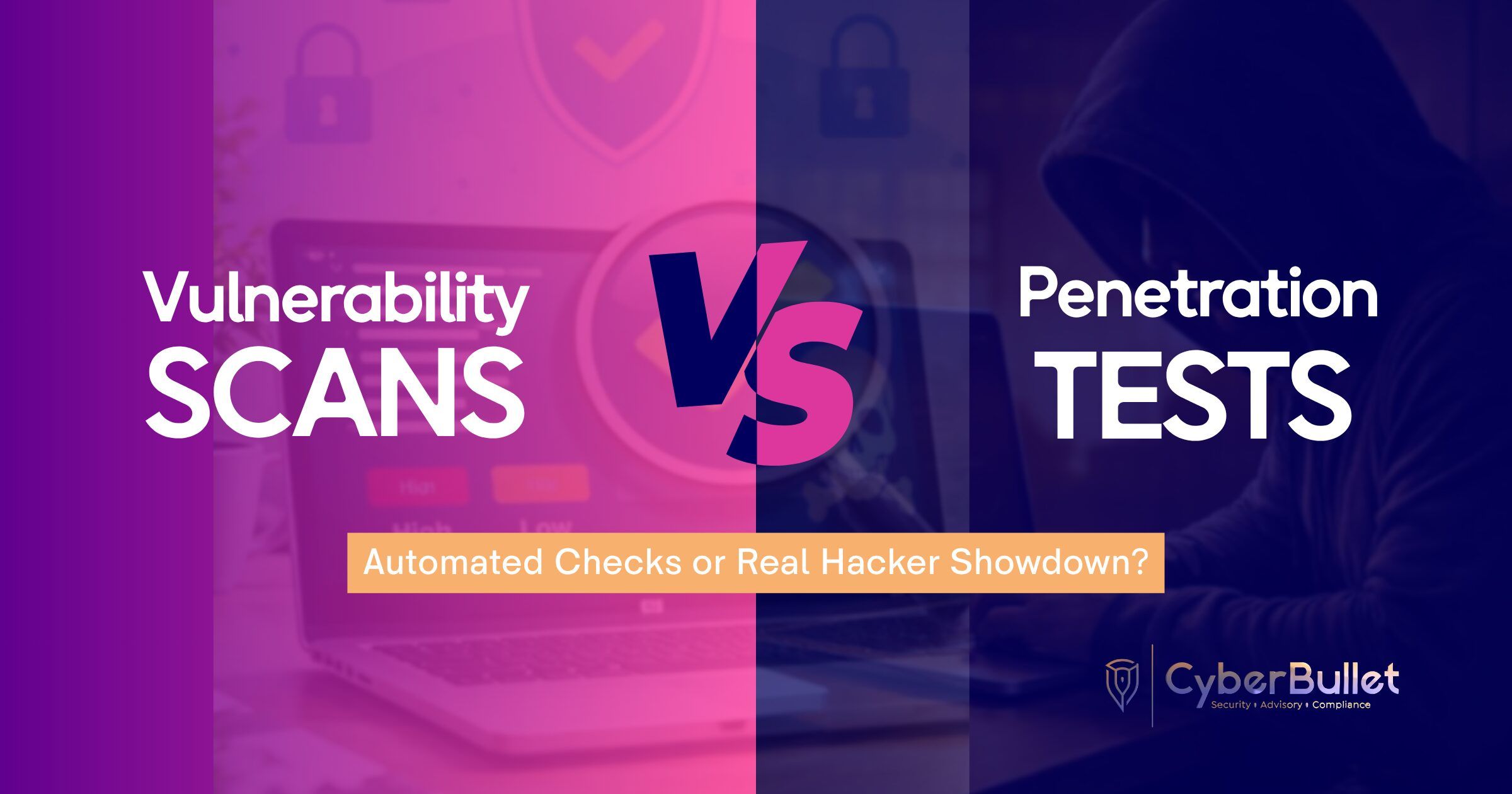
Imagine this: It’s 2 a.m., and a skilled hacker is quietly probing your company’s network, looking for that one weak spot to slip through. Will a quick automated scan catch them in time, or do you need a pro on your side thinking exactly like the attacker? In cybersecurity, vulnerability scanning and penetration testing are the two heavyweight tools for finding weaknesses, but they are not created equal. One is fast and broad; the other is deep, creative, and downright ruthless in the best possible way. Let’s break down the differences and discover why manual testing often wins the real battles.
The Quick Sweep: What Vulnerability Scanning Really Does
Think of a vulnerability scan as hiring a diligent security guard who walks the perimeter with a checklist and a flashlight. The guard (specialized software like Nessus, OpenVAS, or Qualys) methodically checks every door, window, and lock against a massive database of known problems: outdated software versions, missing patches, weak passwords, misconfigured servers, you name it.
These tools crawl your network or application, compare what they find against lists like the Common Vulnerabilities and Exposures database, and spit out a report full of color-coded alerts: critical, high, medium, low. It’s fast (often finishing in hours), noninvasive (won’t crash your systems), and perfect for regular health checks. Run one weekly or monthly, fix the obvious stuff, and you’re staying ahead of the script-kiddie crowd.
But here’s the catch: scans only see what they have been programmed to see. They excel at spotting straightforward, well-documented flaws, yet they stumble on clever custom code issues, business logic flaws, or brand-new zero-day exploits. False positives are common too; sometimes that “critical” alert is just harmless noise. It’s like relying on a metal detector at the beach: great for finding buried coins, but it won’t tell you if someone cleverly hid treasure in a waterproof safe.
The Real Attack Simulation: Why Penetration Testing Feels Like a Heist Movie
Now flip the script. A penetration test is you hiring an elite ethical hacker (often called a pentester) to break into your systems exactly like a criminal would. These experts do not just run tools; they think, adapt, and chain attacks together in ways no script can predict.
A typical pentest follows the hacker playbook: reconnaissance (gathering intel on your company), scanning (yes, they use automated tools too, but as a starting point), gaining access (exploiting a vulnerability), escalating privileges (becoming admin), moving laterally (jumping to other systems), and covering tracks. They hunt for subtle issues like insecure session handling, flawed authentication flows, or even social engineering weak points if the scope allows (note: full-scope simulations that routinely include physical access, social engineering, and stealth operations against unaware defenders are more characteristic of red team engagements.).
What makes it thrilling (and terrifying) is the creativity. A scanner might flag an outdated library and stop there. A pentester sees that library, combines it with a misconfigured permission and a forgotten debug endpoint, and suddenly they own your database. They deliver proof: screenshots of them logged in as admin, dumped credentials, or exfiltrated fake customer data. The final report is not just a laundry list; it is a story of how you could get owned, complete with prioritized fixes and real-world impact.
Of course, pentests take time (weeks to months), cost more, and carry slight risk of disruption, which is why they are usually done annually or after major changes. But the insights? Priceless.
The Verdict: Automated Tools Are Great, But Humans Win the War
If cybersecurity were a boxing match, vulnerability scanning would be the speedy jab: quick, repeatable, and keeps opponents at bay. Penetration testing is the knockout punch: slower to set up, but it lands with devastating insight.
Relying solely on scans is like locking your front door but leaving the safe wide open because no one told the lock-pick database about your custom vault. Real attackers do not follow scripts; they improvise, persist, and exploit the gaps machines miss. The strongest defenses combine both: use scans for constant hygiene, and bring in pentesters to reveal the hidden cracks.
In the end, if you want to sleep soundly knowing your systems can withstand a determined adversary, invest in manual penetration testing. It is not just stronger; it is the closest thing to experiencing a real breach without the actual disaster. Your future self (and your CEO) will thank you.
References
-
Fortinet – Vulnerability Scanning vs. Penetration Testing https://www.fortinet.com/resources/cyberglossary/vulnerability-scanning-compare
-
Security Metrics – Pentesting vs Vulnerability Scanning: What’s the Difference? https://www.securitymetrics.com/blog/pentesting-vs-vulnerability-scanning-whats-difference
-
Tripwire – Vulnerability Scanning vs. Penetration Testing https://www.tripwire.com/state-of-security/difference-vulnerability-scanning-penetration-testing
-
Outpost24 – Penetration testing vs vulnerability scanning https://outpost24.com/blog/whats-the-difference-vulnerability-scanning-vs-penetration-testing
-
Rapid7 – What is Penetration Testing? https://www.rapid7.com/fundamentals/penetration-testing
-
SentinelOne – Vulnerability Assessment vs Penetration Testing https://www.sentinelone.com/cybersecurity-101/cybersecurity/vulnerability-testing-vs-penetration-testing
-
Invicti – 5 Stages of Penetration Testing Explained https://www.invicti.com/blog/web-security/5-stages-of-penetration-testing
-
CrowdStrike – What is Penetration Testing? https://www.crowdstrike.com/en-us/cybersecurity-101/advisory-services/penetration-testing