Picture a typical Tuesday morning in a bustling elementary school. Teachers log into their systems to pull up lesson plans, students huddle over tablets for interactive math games, and administrators review attendance records. Suddenly everything grinds to a halt. Screens freeze, files vanish, and an ominous message flashes: Pay up, or lose it all. This is not a Hollywood thriller. It is the harsh reality for too many schools hit by cybercriminals. In an era where education relies on digital tools from online grading platforms to cloud based student databases, the stakes could not be higher. Sensitive data like health records, addresses, and even social security numbers are prime targets. Yet many school districts operate on shoestring budgets, leaving them exposed. Penetration testing, or pentesting, emerges as the proactive shield they desperately need. It is not just about finding flaws. It is about simulating real attacks to build unbreakable defenses. Let us explore why pentesting is essential, drawing from fresh horrors in the field and vulnerabilities that keep experts up at night.
The Digital Battlefield in Classrooms
Schools have transformed into tech hubs almost overnight. Remote learning exploded during the pandemic, and now hybrid models persist with apps tracking everything from bus routes to behavioral interventions. This connectivity brings incredible benefits like personalized learning paths and instant parent communication. But it also opens floodgates for threats. Cybercriminals see schools as soft targets: underfunded, overworked IT teams, and a treasure trove of personal data that can be sold on the dark web or held for ransom. School districts across the country face an average of five cyber incidents per week, a steady rise in indiscriminate attacks that disrupt learning and endanger privacy. The average recovery cost from a ransomware attack on K-12 schools reached $2.28 million in recent reports, the highest among industries, factoring in downtime, recovery efforts, and lost productivity, not even counting any ransoms paid. These breaches often force closures, scramble emergency responses, and erode community trust. In this landscape, passive defenses like firewalls are not enough. Pentesting flips the script, hiring ethical hackers to probe systems just like the bad guys would, uncovering weaknesses before they are exploited.
Real Attacks That Shook School Halls
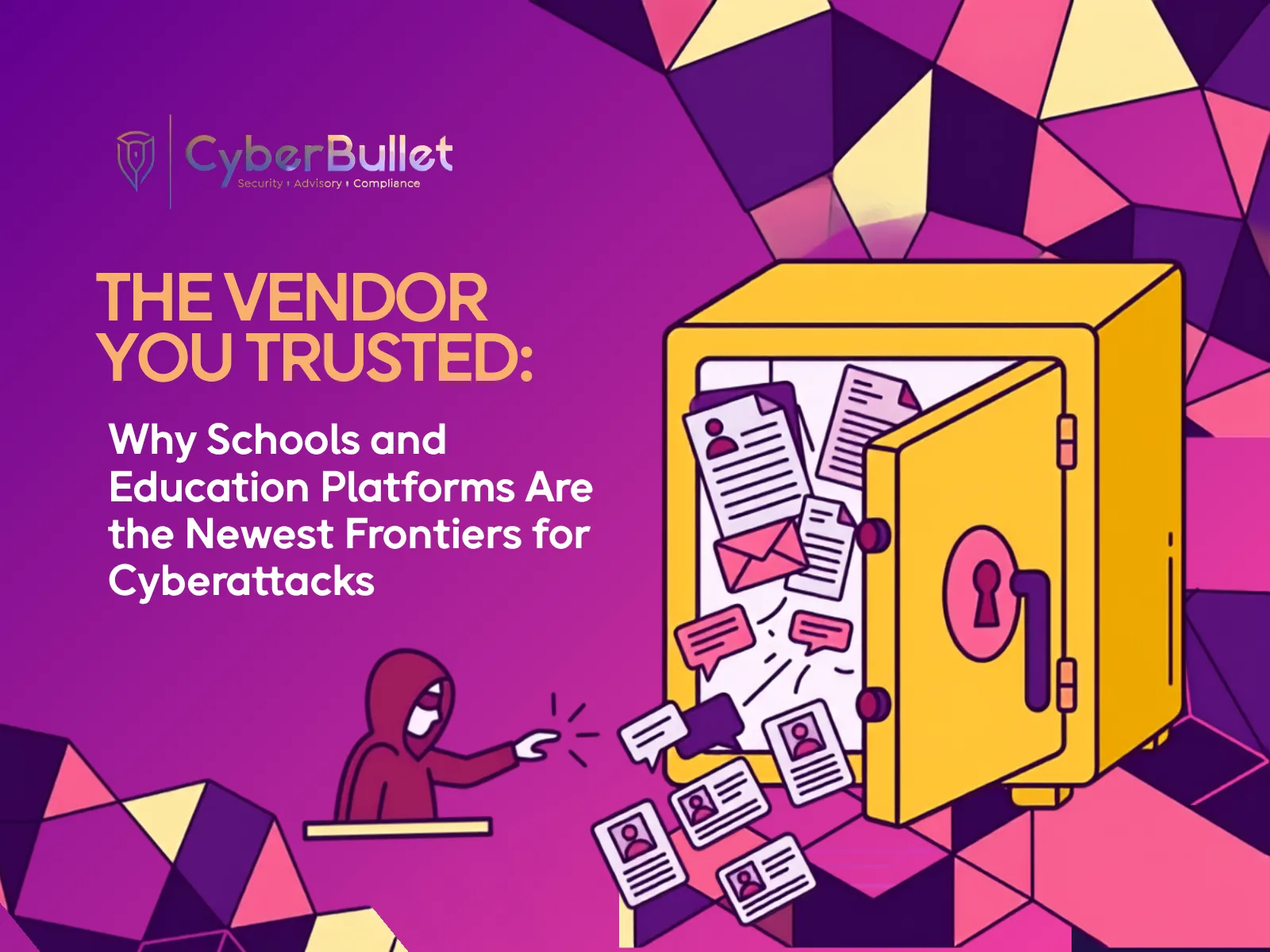
History is littered with cautionary tales, but the wounds from 2025 remain raw. In September 2025, Uvalde Consolidated Independent School District in Texas detected ransomware that crippled phones, security cameras, visitor management systems, air conditioning controls, payroll, and the student information system. Classes shut down for days as the district refused to pay, relying on backups to restore operations. While no sensitive data loss was confirmed, the incident highlighted how a breach can threaten physical safety in schools.
In Georgia, Cherokee County School District suffered a confirmed breach exposing 46,000 records of students and staff, with operations paralyzed: manual attendance, delayed payroll, and teachers unable to access critical tools like IEPs or health info without chaos. Other districts faced similar pressure: Fall River Public Schools in Massachusetts and Franklin Pierce Schools in Washington reportedly targeted by the Medusa gang, each hit with $400,000 ransom demands after alleged data thefts.
Globally, 2025 saw 251 ransomware attacks on educational institutions, with 94 confirmed by targets, breaching nearly 4 million records, a 27 percent jump in exposed data from the prior year. K-12 schools bore much of the burden, accounting for a significant share of incidents. The U.S. led with 130 education-related ransomware cases, down slightly from 2024 but still devastating. Earlier ripples, like the PowerSchool credential compromise affecting millions across districts, underscored vendor risks that cascade to local systems.
Vulnerabilities Lurking in the Code
Behind these breaches lie specific flaws, often cataloged as Common Vulnerabilities and Exposures (CVEs). These are the chinks in software armor that hackers exploit, especially in under-patched education environments. A prominent 2025 example is CVE-2025-61882 in Oracle’s E-Business Suite, a zero-day allowing unauthenticated remote code execution. Exploited as early as August 2025, it enabled data exfiltration in widespread campaigns, hitting organizations including universities with millions of records stolen. While primarily affecting higher ed, the vulnerability impacted admin tools used by K-12 districts tied to similar Oracle systems, proving how third-party software can doom even cautious schools. Oracle patched it in October, but delayed application left doors wide open.
Other common issues include weak authentication in student information systems, unpatched Microsoft tools vulnerable to exploits like those in CISA’s Known Exploited Vulnerabilities list, and phishing tailored to busy educators. Between July 2023 and December 2024, 82 percent of reporting K-12 schools experienced cyber threat impacts, with over 9,300 confirmed incidents and 14,000 security events logged. Exploited vulnerabilities drove 21 percent of successful ransomware attacks in education. Under FERPA’s privacy mandates, these flaws invite not just financial ruin but legal battles and lost funding.
Pentesting: The Ethical Assault That Builds Resilience
So how do schools fight back? Enter penetration testing, the simulated siege that reveals cracks without the catastrophe. Unlike vulnerability scans, which passively list known issues, pentesting deploys human ingenuity. Ethical hackers, or pentesters, mimic real adversaries: reconnaissance on networks, exploiting weak spots, chaining attacks for deep breaches. For schools, this means testing Wi-Fi, learning management systems, remote access, and vendor integrations. A pentest might uncover a misconfigured firewall exposing student portals or a forgotten debug mode granting admin rights.
The value shines in prevention. By spotting issues like those in CVE-2025-61882 before exploitation, districts patch proactively. Pentests also reveal human factors: phishing susceptibility or password habits, via social engineering simulations. Often annual or after major changes, a pentest costs far less than breach recovery. Certified providers deliver prioritized reports and remediation guidance. For budget-strapped districts, CISA grants or state funds help cover it. The outcome? Compliance with laws like COPPA and FERPA, plus genuine resilience against evolving threats.
Bringing Pentesting to Your District
Implementation starts with leadership buy-in. Superintendents, pitch it to your board as essential insurance against the next Uvalde-style shutdown. Engage certified firms with CREST or Offensive Security credentials to define scope, prioritizing high-risk areas like student data systems and third-party connections. Follow up with staff training on multi-factor authentication, updates, and phishing awareness. Integrate findings into incident response plans for swift containment. Districts that pentest preemptively avoid millions in losses and keep learning uninterrupted. In 2026, with AI amplifying attacks, pentesting is not optional. It is the frontline defense preserving education’s integrity.
Securing Tomorrow’s Learners Today
As classrooms digitize, the line between education and cybersecurity blurs. We have seen the devastation: closed doors, exposed lives, shattered trust. From Uvalde’s operational paralysis to Oracle’s zero-day exploits, the message is clear. Reacting is not enough. Penetration testing empowers schools to strike first, turning potential disasters into dodged bullets. It is time for districts to invest, not just in tech, but in vigilance. Your students’ futures depend on it. Let us make schools fortresses, not targets.
Sources
-
U.S. Department of Education – K-12 Cybersecurity (ed.gov)
-
Comparitech – Education Ransomware Roundup 2025 (comparitech.com)
-
Center for Internet Security (CIS) MS-ISAC – 2025 K-12 Cybersecurity Report (cisecurity.org)
-
Sophos – State of Ransomware in Education 2025 (sophos.com)
-
Oracle Security Alert – CVE-2025-61882 (oracle.com/security-alerts)
-
Google Cloud Threat Intelligence – Oracle E-Business Suite Zero-Day Exploitation (cloud.google.com)
-
K12 Security Information eXchange – Annual Reports (k12six.org)
-
RAND Corporation – Protecting Schools Virtually Report (rand.org)
-
Various news reports on specific incidents (e.g., Uvalde CISD closures, Cherokee County breach) from sources like k12dive.com, therecord.media, and govtech.com